
SMRs vs Microreactors: What’s the Difference?
Introduction
As demand grows for clean, reliable electricity, nuclear energy is gaining renewed attention through a new generation of technologies designed to be more flexible and scalable than traditional large reactors. Among the most discussed are small modular reactors (SMRs) and microreactors.
Because both concepts involve smaller reactor designs and factory-based manufacturing, the terms are sometimes used interchangeably. However, they are not the same. While they share some common characteristics, they differ in scale, intended use, and deployment model.
This article explains the basic differences between SMRs and microreactors, where each may be used, and why the distinction matters.
What Are SMRs and Microreactors?
Both SMRs and microreactors are part of the broader effort to make nuclear energy more adaptable, more cost-effective to build, and better suited to a wider range of energy needs. The main differences come down to power output, end use, and plant design.
Small Modular Reactors (SMRs)
Small modular reactors are generally defined as nuclear reactors that produce up to 300 megawatts of electricity (MWe) per unit. They are designed to provide carbon-free power for electric grids, data centers, industrial facilities, district heating systems, desalination plants, and other large-scale applications.
The term “modular” refers to the way these systems are designed and built. Instead of constructing every major component entirely on site, manufacturers can produce modules or components in factories and ship them for installation. This approach is intended to simplify construction, improve quality control, and reduce project risk compared with traditional large nuclear builds.
SMRs can include a range of reactor technologies, including water-cooled and non-light-water designs, depending on the developer and application.
Microreactors
Microreactors are much smaller nuclear systems designed for applications that require lower power output and more flexible siting options. While there is no single universal cutoff, microreactors are generally understood to produce up to about 50 MWe, with many concepts designed to generate well under 20 MWe.
Microreactors are typically aimed at remote, isolated, or specialized energy users rather than large regional grids. Potential applications include remote communities, military installations, mining sites, research stations, and industrial locations that currently rely on diesel generation or limited grid access.
A useful way to think about the relationship is this: microreactors occupy the smallest end of the broader modular reactor landscape, while SMRs are usually designed for larger commercial and grid-scale roles.
Practical Differences Between SMRs and Microreactors
Although both technologies emphasize smaller size and factory fabrication, they are designed for different energy markets.
Power Output and Market Role
The clearest difference is the amount of power they are intended to produce.
SMRs are designed for utility-scale or large industrial use. A single SMR unit can provide enough electricity for substantial grid support, industrial operations, or large infrastructure projects. Multiple modules can also be combined at one site to increase total output.
Microreactors, by contrast, are intended for smaller, more localized applications. Rather than supporting a broad regional grid, they are typically envisioned as serving a single site, a small community, or a specific off-grid load.
Deployment and Plant Architecture
SMRs are smaller than traditional nuclear plants and are designed to simplify construction through modular manufacturing. Even so, an SMR installation is typically a permanent nuclear energy facility intended for larger-scale power or industrial use.
Microreactors are generally designed to go further in reducing plant size, site preparation, and deployment complexity. Many concepts emphasize transportability and compact siting for remote or specialized applications.
Refueling and Operations
Many SMR designs follow an operating model closer to that of conventional nuclear plants, with planned maintenance and periodic refueling over the life of the facility.
Some microreactor concepts are being designed for long operating periods and simplified logistics, with some designs aiming to operate for up to 10 years or more before refueling. However, timelines and operating models vary and remain subject to licensing and commercial development.
NuScale and the SMR Market
NuScale is one of the most prominent developers in the SMR sector and focuses on scalable nuclear energy systems for utility, industrial, data center, and other customer applications, including configurations that can support dedicated or off-grid use cases.
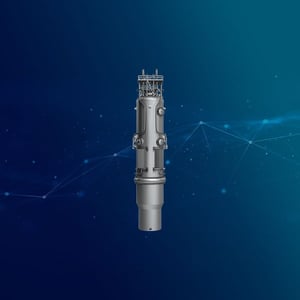
Its NuScale Power Module™ is designed to generate up to 77 MWe per module, and multiple modules can be combined in a single plant configuration for larger total output. This modular approach gives customers flexibility in matching generation capacity to their energy needs.
NuScale has also emphasized passive safety features in its design. In emergency conditions, the system is designed to rely on natural forces such as gravity, convection, and conduction to help cool the reactor without the need for operator action, external power, or additional water.
These characteristics position NuScale within the broader SMR market as a technology focused on customers seeking carbon-free, always-on power.
Conclusion
Small modular reactors and microreactors are related technologies, but they are designed for different purposes.
SMRs are generally intended for utilities, industrial users, data centers, and larger energy systems that need scalable, reliable, carbon-free power.
Microreactors are aimed at smaller-scale applications, especially in remote or isolated locations where transportability, compact size, and long operating life may be especially valuable.
In simple terms, SMRs are designed for larger, more permanent power needs, while microreactors are designed for smaller, more localized, and more flexible applications.